
Write the first shot and line together
A hook gives the viewer a question to follow. Start with the moment that makes your demonstration worth watching. If a test has a visible outcome, you can put that result in the first frame and use the rest of the video to explain it.
- Show a difference
- Hold two prints from the same photo under a lamp. “These came from the same file. Why does this one look warmer?” Move the prints into daylight and show how the paper changes their appearance.
- Start with a customer’s constraint
- Place a folded jacket beside a small tote. “Can I fit this in my bag and still close it?” Pack the jacket on camera. Show the closure and the space left over.
- Let the viewer hear the problem
- Play a few seconds of a rattling shelf. “Hear that when I open the door?” Show the loose bracket, tighten it, and repeat the opening shot with sound.
- Give someone a choice
- Put two paint swatches against the same wall. “Which one will still look cream after sunset?” Film the wall again in evening light so the promised comparison has an ending.
Try two openings for one demonstration
Keep the body and ending the same while drafting two first frames. Watch each version with the sound off. Can you tell what the subject is? Then listen without the picture. Does the spoken line add a reason to continue?
For published tests, compare videos on similar subjects over the same number of days. Review early watch-time patterns alongside comments. A question about the promised result is a better clue to the next video than a raw view count alone.
Use the TikTok script and shot-list guide to carry your chosen opening through to the payoff.
Write the answer before the opening line
For the print demonstration, the answer might be “warm room light changes how these two papers look.” Write that down before you choose an opening line. Now ask what the camera can prove. It can show the two prints under a lamp, then show them near the window. It cannot tell the viewer which print they will prefer. A good opening invites a comparison the viewer can actually complete before the video ends.
Try a question first: “Which of these prints would you hang in a dim hallway?” Put both prints in the first frame. Try a statement next: “The lamp changes this print more than the other one.” Start with the lamp already on. Try a silent opening by switching the light while keeping the prints in the same place. Each version creates a different expectation. Choose the one that the remaining footage answers most clearly.
Edit the first cut using a phone
Watch without the caption. Can someone tell what the two objects are? If the frame shows only a bright reflection, pull back far enough to show the wall and the lamp. Listen without looking. Does the first sentence name the two things being compared? Then watch in a noisy room with sound off. Add a short written question if the viewer needs it. Keep the lettering clear of the actual difference in the prints.
Leave enough time after the reveal for a person to inspect the result. Cutting away the instant the lamp switches on makes the opener feel like a promise you never kept. A quick video can still include a pause where the evidence matters. If the comparison is subtle, repeat the same frame without commentary rather than forcing viewers to restart the whole video.
Test a change without losing the lesson
After posting, record the first question a viewer asks. “Which paper is on the left?” suggests a labeling problem. “Would that happen in a bright room?” suggests a follow-up demonstration. Those two replies should lead to different edits. Compare similar videos after the same observation period and keep the distinction between what you observed and what you think caused it.
What are good examples of a hook?
A mechanic can spin a wheel that rubs only at one point. A baker can cut two loaves and reveal different crumb structures. A framer can tilt two prints toward a window to reveal glare. In each case the image gives the viewer something to investigate before the presenter explains it.
Do hashtags fix a weak opening?
Choose a clear subject and an accurate description of the work. A tag cannot make a missing demonstration visible. If a viewer has to read the caption to find out what the first shot shows, change the shot first.
Use the opening in a draft before committing to the cut
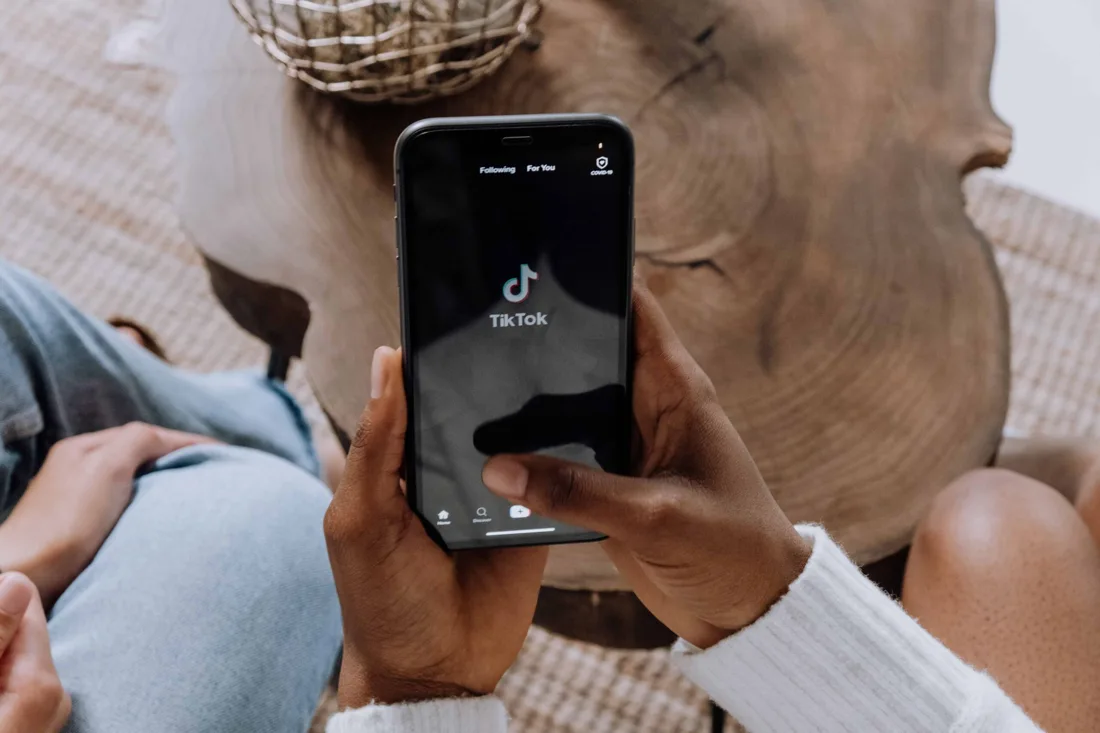
In the TikTok app, use Add post to record the opening or upload the video you prepared. Use the editing screen to place the first line where it can be read without covering the object. Tap Next to review the description. Watch the full clip before posting. For the print comparison, the first sentence and the final image should describe the same lighting change. TikTok’s creation and editing controls.
Try three opening structures without changing the evidence
For a result-first opening, start with both finished prints under the lamp. Tell the viewer the difference will become easier to see when the light moves. For a problem-first opening, show the glare on one print and ask what causes it. For a prediction opening, show the prints in daylight and ask which one will change most under the lamp. The rest of the footage can stay the same. Each opening gives the viewer a different reason to wait for the comparison.
The result-first version works when a visible difference is immediately striking. A problem-first version works when the viewer recognizes the problem from their own home. A prediction works only if the answer remains in doubt long enough to make the test interesting. If the two papers look identical through the phone camera, no amount of suspense will make the reveal convincing. Film a better view or choose a clearer demonstration.
Make a small library of reusable shots
Record a wide view of the room, a close view of each print and the movement of the lamp. Save the frames under names that describe what happens. When a viewer asks how the print looks from the doorway, you can see whether you already have that shot. A library of accurate demonstrations is more useful than a list of dramatic opening lines you cannot illustrate.
Keep track of what the camera does to the scene. Automatic exposure can brighten a dark corner when you move a lamp away. A viewer may then see the camera correcting the picture instead of the paper changing. Mark where the phone and lamp stand and take a still reference before moving them. If you cannot make two views comparable, say what changed in the setup.
Choose an ending that pays off the opening
For the prediction version, show both prints after the light changes and identify which surface reflects more light. For the problem-first version, show how the viewer can check their own wall before choosing a print. For a result-first video, end with a view from normal seating distance so the viewer can judge whether the difference still matters. The last shot should answer the exact question the opening raised.
If the comments say the clip was too quick, look for where the viewer first had enough information to make the comparison. A longer introduction is unlikely to help if the reveal lasts only a fraction of a second. Hold the useful frame or simplify the labels. If people disagree about which paper they prefer, that may be a sign the demonstration made the trade-off visible. Their preferences can differ even when everyone understood the evidence.
Edit a hook that attracts the wrong question
Suppose a viewer asks where to buy the wrapping paper when the clip is meant to show how to keep a mug handle clear of the box wall. Watch the opening without sound. If the bright paper fills the first frame and the handle appears after the introduction, the question makes sense. Start the next cut with a view down into the box. Point to the gap around the handle, then show the paper being folded into place. Keep the paper supplier out of the opening line unless sourcing materials is the actual subject. Ask someone who has never packed the mug what the revised clip teaches after a single viewing. Write down their words before offering an explanation. Their answer gives the editor a reason to keep the new opening or make one more cut.